
A strong and durable house begins with selecting suitable construction materials, especially cement. It is used in foundations, columns, beams, walls and plastering, with each usage having different requirements. Since cement varies in composition, strength and effectiveness, selecting the right type requires careful consideration. Understanding cement grades, quality standards and construction needs helps homeowners select the right cement for each phase of construction.
Why Choosing the Right Cement is Important for House Construction
Cement plays an important role in construction by bonding sand and aggregates to form concrete and providing strength to brickwork and plastering. Its effectiveness depends on the cement type, mix proportions, water content and proper curing. Using suitable cement for each application helps improve the strength and durability of a house.
Choosing the best cement for house construction involves more than selecting a popular brand or a higher strength grade. Homeowners need to consider the building's structural requirements, weather conditions, cement quality and intended use. Consulting a structural engineer can help identify the most suitable cement for different construction activities.
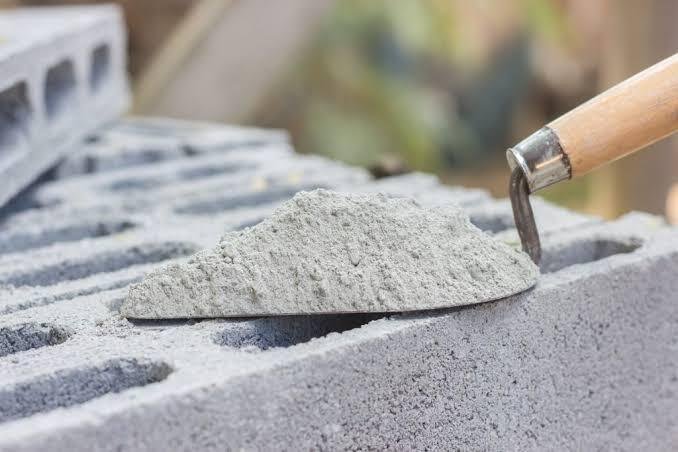
What Are the Different Types of Cement Used in House Construction?
Different types of cement for construction have specific properties that influence strength, durability and performance. Understanding their composition, key features and common uses helps homeowners compare available options and select suitable materials for their building requirements.
| Cement Type | Key Properties | Common Applications |
|---|---|---|
| Ordinary Portland Cement (OPC) | Available in 33, 43 and 53 grades, with higher grades offering greater early strength potential. | Columns, beams, roof slabs and reinforced concrete structures. |
| Portland Pozzolana Cement (PPC) | Contains pozzolanic materials that support workability and long-term strength development. | Brickwork, plastering, masonry and general concrete work. |
| Portland Slag Cement (PSC) | Contains blast-furnace slag, which can improve resistance to sulphates and chloride exposure. | Foundations, basements and structures exposed to moisture. |
| Composite Cement | Combines fly ash and slag to support durability and gradual strength development. | General building work and reinforced concrete where specified. |
| Sulphate-Resisting Cement | Has a controlled chemical composition that reduces the risk of sulphate-related deterioration. | Underground structures exposed to sulphate-rich soil or groundwater. |
Important: Each cement type has different characteristics. The final selection must match the structural design, environmental conditions and recommendations of a qualified engineer.
How Do Cement Grades Affect Strength?
Understanding cement grades for house construction helps homeowners select suitable materials for different building activities. Ordinary Portland Cement (OPC) is available in 33, 43 and 53 grades, which indicate its minimum compressive strength after 28 days of standard testing. A higher grade does not always mean better results, as concrete strength also depends on mix proportions, construction methods and proper curing.
Which Cement Is Suitable for Different House Construction Projects?
Selecting the best cement for home construction involves understanding the requirements of each building activity. Besides cement type, factors such as concrete strength, mixing proportions, workmanship and curing play an important role in construction quality.
01
Cement for Foundations
Foundations transfer the building's weight safely to the ground. Their construction requires careful attention to soil conditions, groundwater levels and structural design. The concrete must meet the specified strength requirements, while correct mixing, compaction and curing help maintain durability and stability over time.
02
Cement for Columns, Beams and Roof Slabs
Columns, beams and roof slabs carry structural loads and require properly designed reinforced concrete. The water-cement ratio, aggregate quality and reinforcement placement affect overall performance. Following the approved concrete mix, removing trapped air through proper compaction and maintaining adequate curing are essential for achieving the required strength.
03
Cement for Brickwork and Blockwork
Brickwork and blockwork require mortar that bonds the building units and helps maintain stable, even joints. The correct cement-to-sand ratio depends on the type of bricks or blocks and construction specifications. Consistent mixing, proper joint thickness and adequate curing help create durable masonry walls.
04
Cement for Wall Plastering
Wall plastering requires a smooth, workable mortar that bonds properly with the surface. Using clean, well-graded sand, maintaining suitable mixing proportions and preparing the wall before application are important steps. Even application and proper curing help achieve a consistent finish and reduce the risk of surface cracks.
Five Checks Before Buying Cement
Even a suitable cement variety may function poorly if bags are damaged, old or stored incorrectly. Check the following details before accepting a delivery, particularly when purchasing larger quantities for an ongoing building project.
BIS certification: Look for the ISI mark, applicable Indian Standard and CM/L licence number; verify manufacturer details where necessary.
Packing date: Prefer recently packed stock and arrange testing if cement is more than three months old before using it.
Bag condition: Reject torn, wet or visibly hardened bags because moisture exposure can affect cement quality and handling.
Storage facilities: Keep bags off the floor on a raised platform, away from walls and protected from rain and dampness.
Supply consistency: Confirm product type, planned delivery quantities and invoice details to prevent unwanted substitutions during construction.
Which Cement Is Best for House Construction?
Selecting the best cement for house construction depends on structural needs, soil conditions and the intended application. OPC develops early strength relatively quickly, while PPC and PSC can provide long-term durability benefits. A structural engineer can recommend the appropriate option based on the building's design and environmental conditions.
Homeowners can also discuss cement selection with their contractor before starting construction. Understanding the approved concrete mix and specific building requirements helps them compare available brands and avoid unnecessary changes in materials during the project.
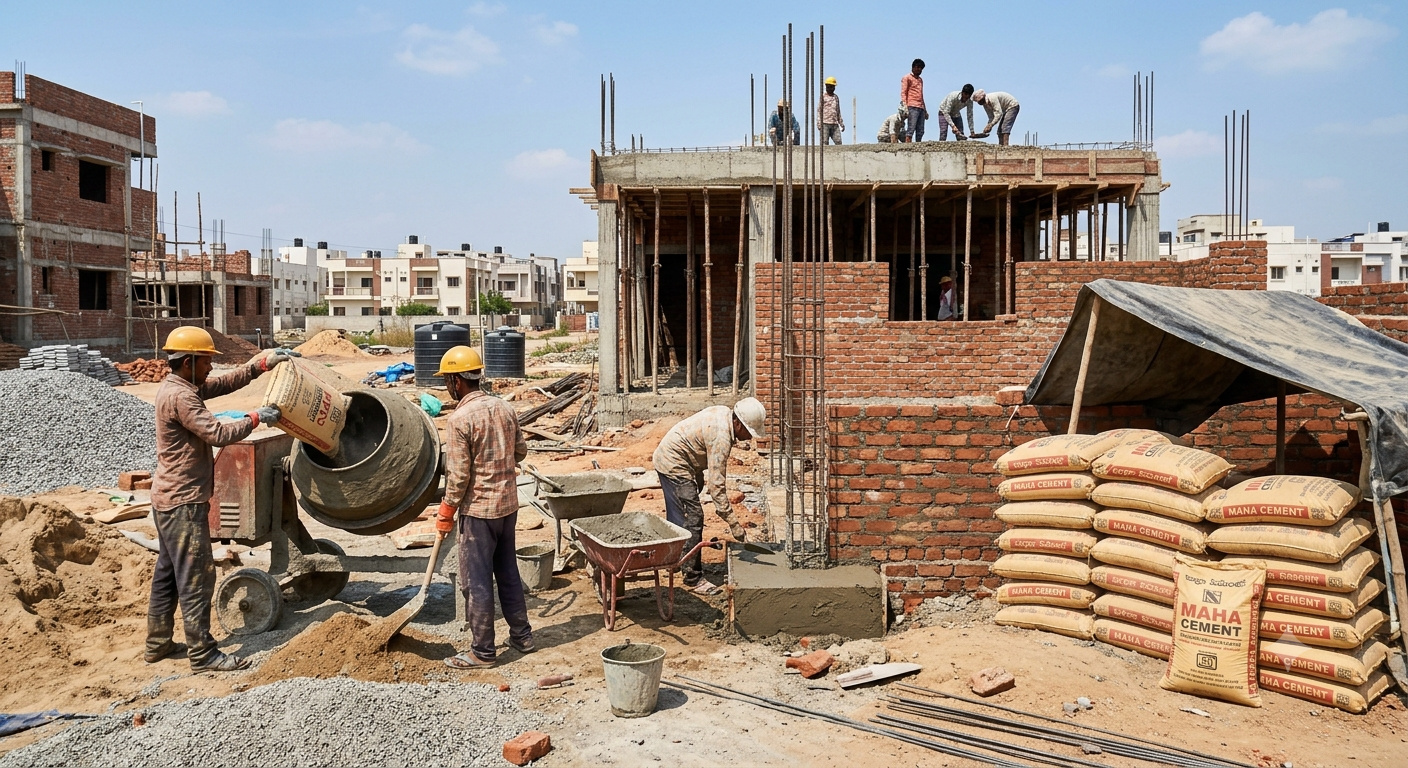
How Do Cement Storage and Curing Affect Construction Quality?
1. Proper Cement Storage to Maintain Material Quality
Proper storage helps maintain cement quality before construction begins. Cement absorbs moisture from the air, which can cause lumps and affect its bonding properties. Store bags in a dry, covered area on raised wooden platforms, away from damp walls and direct contact with the floor. Use older stock first, provided it remains in good condition.
2. Importance of Water Curing for Concrete Strength and Durability
Curing is essential after concrete, mortar or plaster is applied. Keeping the surface watery for the recommended period allows cement to develop the required strength. Inadequate curing can lead to surface cracks, reduced durability and weaker concrete. Following the engineer's curing instructions helps maintain long-term construction quality.
Final Thoughts
Choose Quality Cement for a Strong and Durable Home
Choosing the best cement for house construction requires understanding building specifications, material quality and site conditions. Quality Steel Traders helps homeowners and contractors explore suitable cement brands and arrange supplies for their building projects. Consulting a structural engineer and following proper mixing, storage and curing practices can further support the strength, stability and long-term durability of your home.
Frequently Asked Questions
Both can be suitable. OPC develops strength faster initially, while PPC supports long-term durability. The correct choice depends on structural specifications, exposure conditions and curing arrangements.
Cement grades indicate the compressive strength of standard cement mortar specimens, while concrete grades measure the strength of the finished concrete mix. Both have different testing requirements.
Check the ISI mark, CM/L licence number, packing date and bag condition. Verify the manufacturer's licence through the official BIS Care app before placing bulk orders.
Under IS 456, concrete generally needs at least seven days of water-based curing with OPC or ten with blended cement. Hot weather may require longer.
Cement can lose quality through prolonged exposure to moisture. Older bags may need strength testing before use; consult your engineer rather than judging suitability by appearance alone.
